

Johns Hopkins Bridge II
Brief
What we did
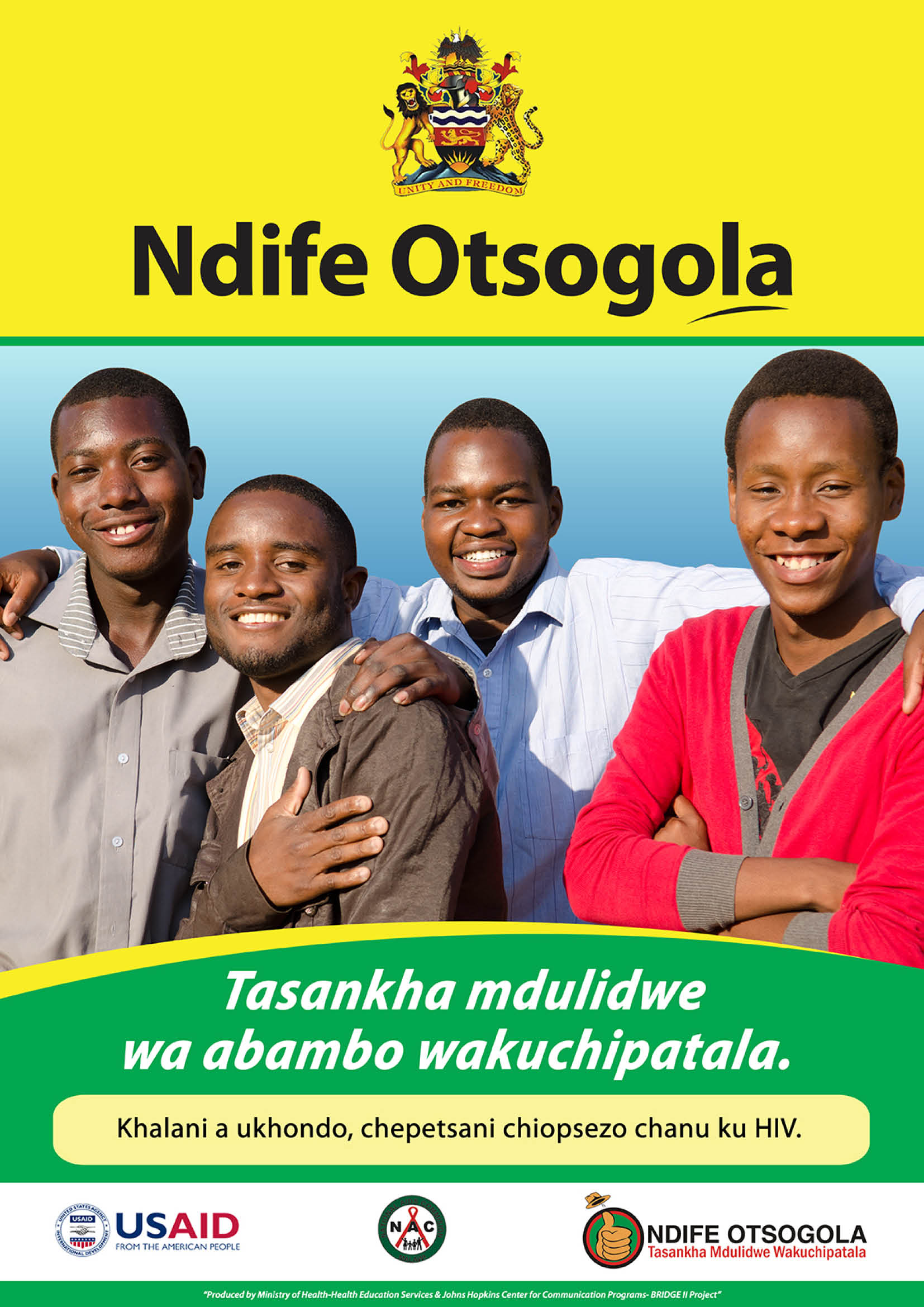
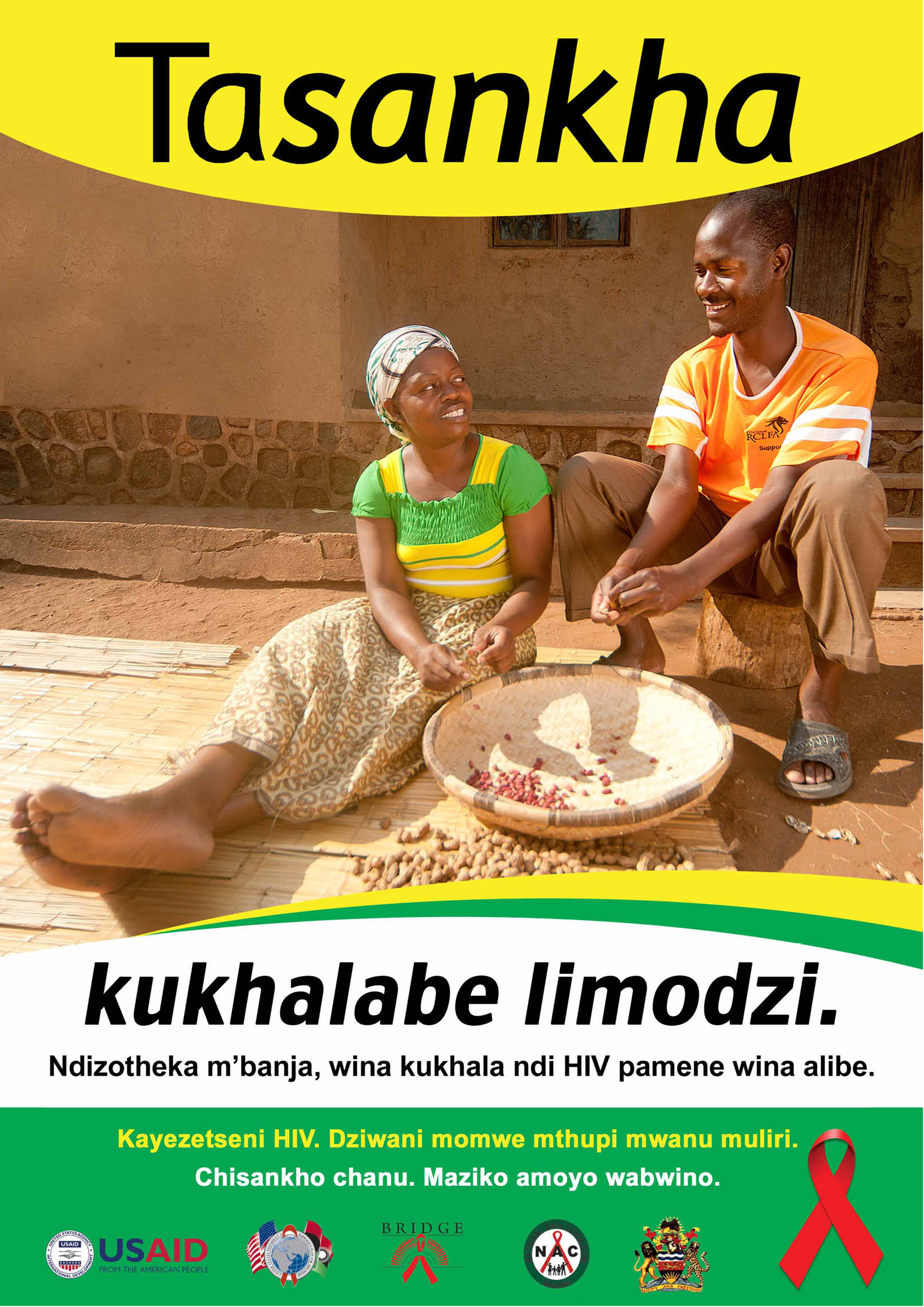
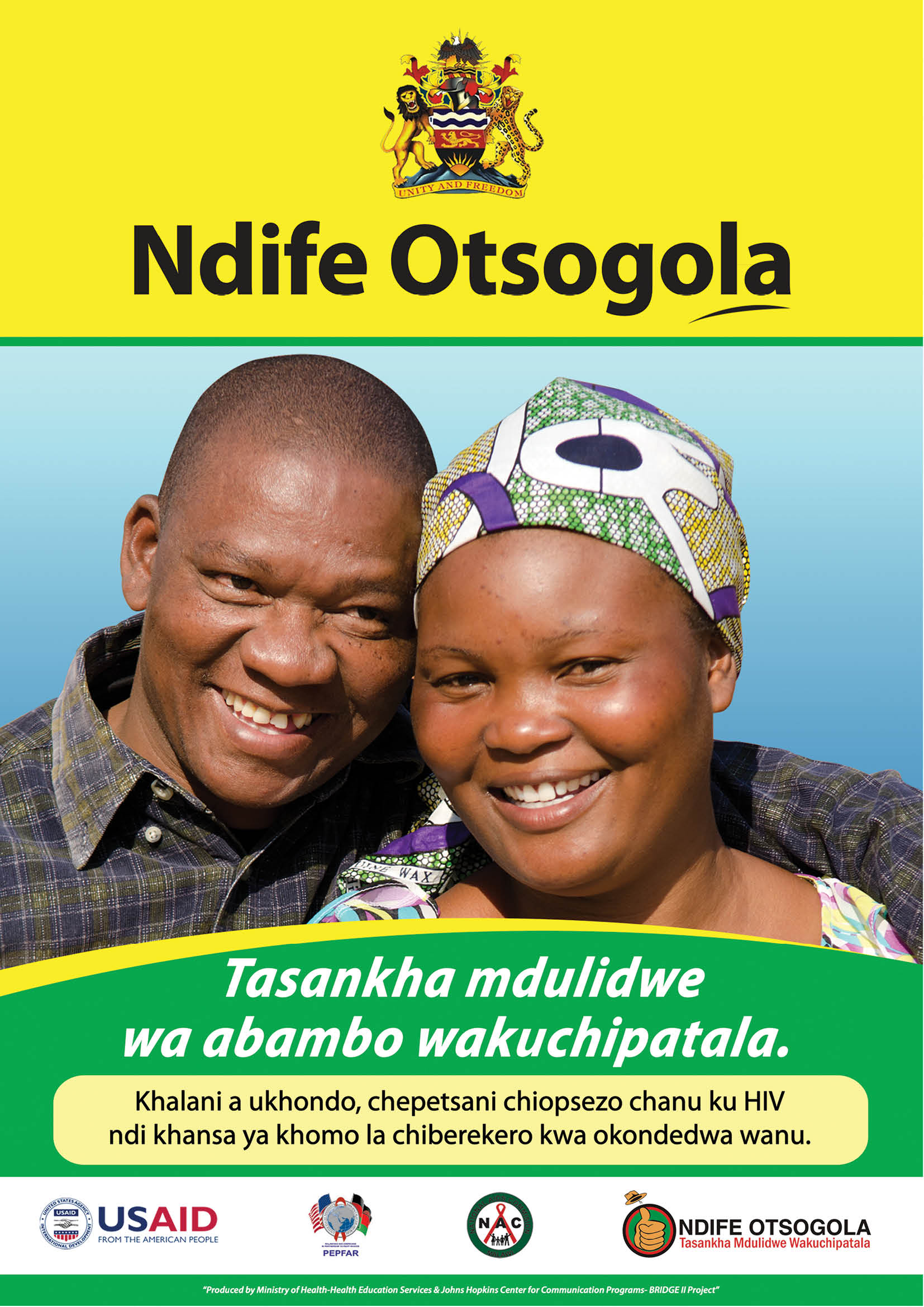
We moved beyond information to engineer Collective Accountability. Our analysis of Phase I revealed that while people felt they could change (Nditha), they needed a social mandate to do so. To connect the dots,our intelligence evolved the narrative to “Tasankha” (We Choose). We saw that shifting the focus from individual capability to a shared community value was the way forward. We utilised the Health Belief Model to transform HIV prevention into acollective choice rooted in leadership and family-centred norms.
We brought this to life through a massive multi-tier ecosystem, including 14,000+ radio spots and the reality series Cheni Cheni Nchiti. By training community leaders as "Couple-Counselling Champions," we ensured the message was lived within the household. Our value lay in applying commercial discipline to behaviour change, turning a sensitive health objective into a widely recognised platform for social leadership. The CG Touch bridged the gap between "knowing" and "doing" by giving 11 districts a new, aspirational identity: a community that chooses safety together.


%402x.svg)